Oysters in Apalachicola Bay, Florida

 Oysters in Apalachicola Bay, Florida, reproduce through a process known as external fertilization, similar to other oyster populations. Here’s an overview of how this process occurs specifically in the context of Apalachicola Bay:

1. Environmental Triggers: Oysters in Apalachicola Bay typically spawn in warm months, primarily from late spring to early fall, with peak spawning often occurring in June and July. The spawning is influenced by environmental factors such as water temperature, salinity, and food availability. Increased water temperatures and the presence of phytoplankton (a food source) are crucial for triggering spawning.

2. Sexual Maturity and Gender: Oysters in this region are generally dioecious, meaning they have separate male and female individuals. They can switch genders based on environmental conditions and their size, often starting life as males and becoming females as they mature.

3. Spawning Process: When conditions are right, both male and female oysters release sperm and eggs into the water column simultaneously. This mass spawning increases the likelihood of fertilization, as the gametes are released into the same environment.

4. Fertilization and Larval Development: After the eggs are fertilized in the water, they develop into free-swimming larvae known as trochophore larvae, which eventually metamorphose into veliger larvae. This larval stage typically lasts for about 2 to 3 weeks, during which the larvae feed on plankton and grow.

5. Settlement: After drifting with the currents, the veliger larvae settle onto suitable surfaces (like hard substrates or existing oyster reefs) and undergo metamorphosis into juvenile oysters, known as spat. This settlement is influenced by various factors, including the presence of other oysters, salinity, and the availability of suitable habitat.

6. Growth and Maturation: Once settled, the spat grow into adult oysters, a process that can take several years. Apalachicola Bay is known for its rich oyster habitats and is one of the most productive oyster fisheries in the United States.

7. Ecological Importance: The reproduction of oysters in Apalachicola Bay is crucial not only for the oyster population but also for the overall health of the ecosystem. Oysters help filter water, maintain water quality, and provide habitat for various marine species.

Overall, the reproductive cycle of oysters in Apalachicola Bay is closely tied to local environmental conditions, and understanding this cycle is vital for the management and conservation of the oyster population and the health of the bay itself.
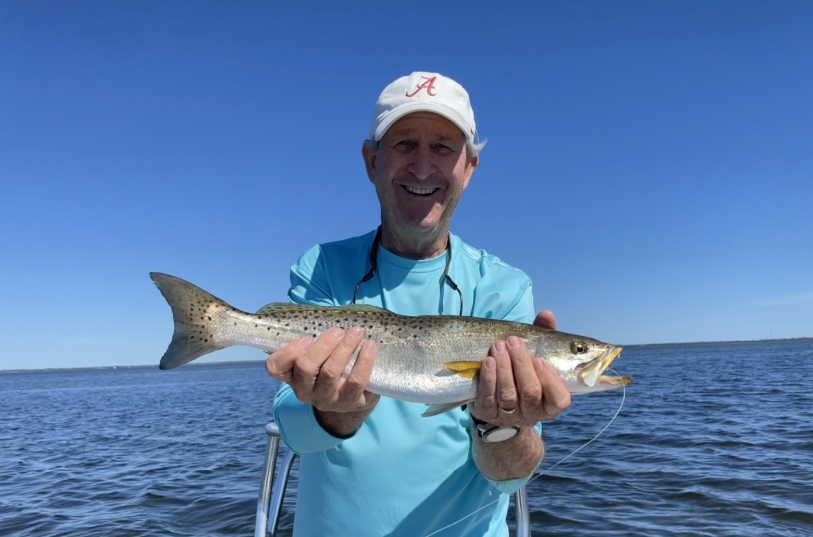
Fall Fishing for Speckled Trout

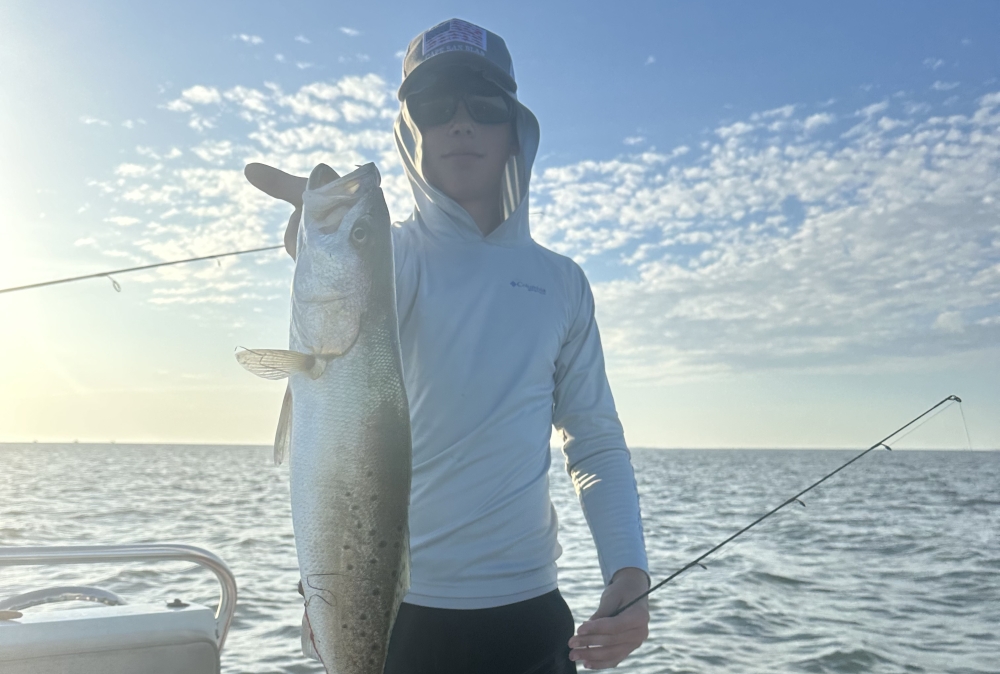
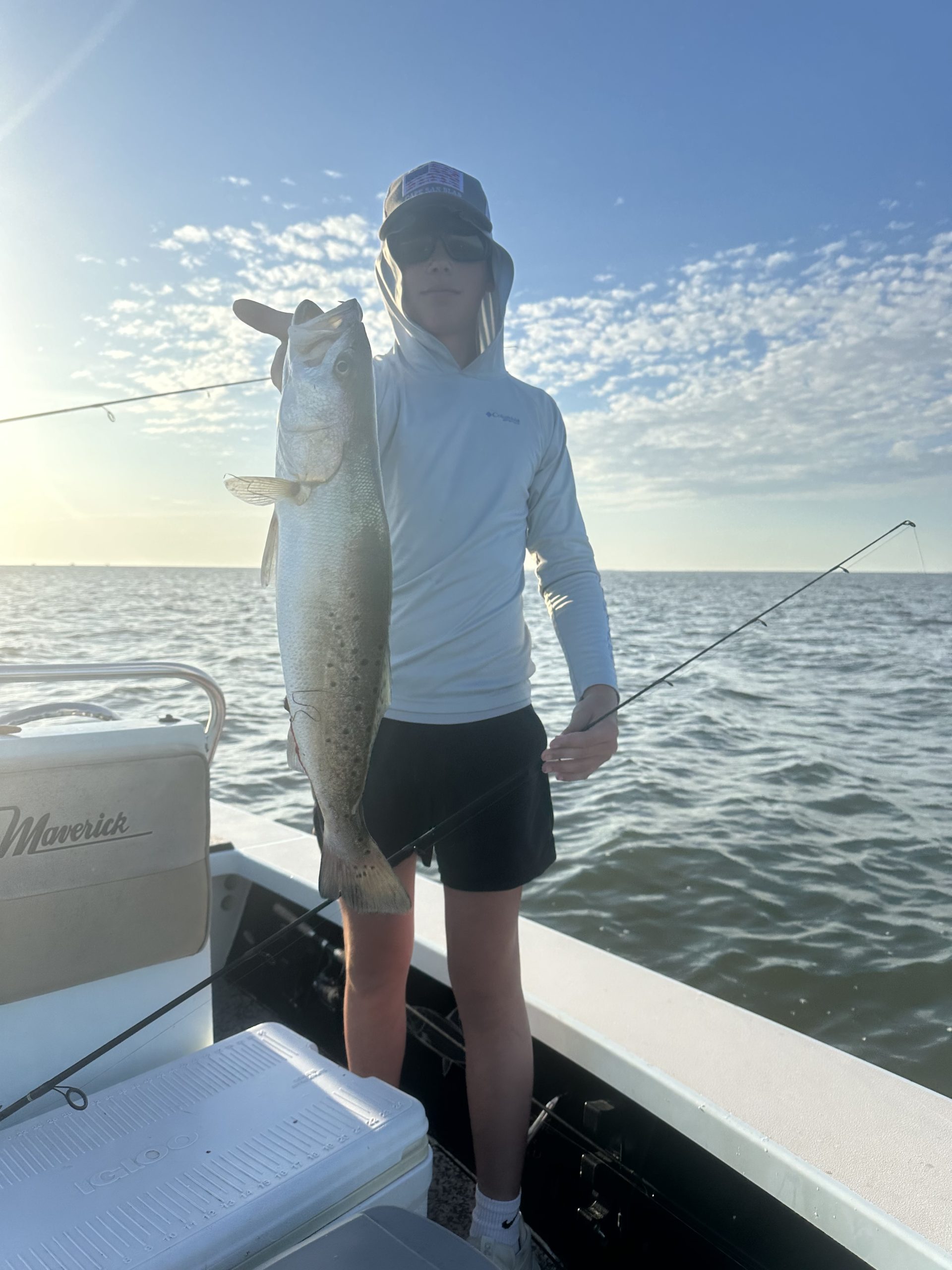
Fall is widely regarded as one of the best seasons for fishing, particularly for targeting speckled trout. As temperatures begin to cool down, the behavior and patterns of these fish shift in ways that make them more accessible and active. Several factors contribute to the effectiveness of fall speckled trout fishing, including favorable water temperatures, increased bait availability, and heightened feeding activity.

One of the most significant reasons fall is an excellent time for speckled trout fishing is the favorable water temperature. During this season, water temperatures gradually decrease, creating an ideal environment for speckled trout, which thrive in the range of 65°F to 75°F. The cooler water stimulates the fish’s metabolism, prompting them to move into shallower areas to feed. As they become more active, anglers have a better chance of locating and catching these fish, as they are less likely to be hiding in deeper, cooler waters.

In addition to optimal temperatures, the fall season brings an abundance of baitfish into estuaries and coastal areas. As various species of baitfish, such as mullet and menhaden, migrate in search of warmer waters, speckled trout take advantage of this influx by feeding aggressively. The abundance of shrimp being pushed out by the outgoing tides is the main reason for the trout fishing to be so good making them easier targets for anglers using artificial lures that mimic the local forage. Coupled with the natural competitive behavior among the fish, fall creates ideal conditions for successful fishing outings, allowing anglers to enjoy a rewarding experience on the water.

 The fall season presents unique advantages for speckled trout fishing, driven by favorable water temperatures and an increase in bait availability. These factors combine to enhance the feeding activity of trout, making them more accessible and eager to bite. As nature transitions in preparation for winter, anglers should seize the opportunity to experience the excitement and productivity that fall fishing has to offer.

Shrimp Patterns

Outgoing tides can significantly impact shrimp behavior and ecology, particularly during the fall months when shrimp populations may be influenced by various environmental factors. Here are some ways in which outgoing tides affect shrimp:

1. Movement and Migration: During outgoing tides, water levels drop, which can create stronger currents in estuarine and coastal environments. Many shrimp species, particularly juvenile and adult penaeid shrimp, may migrate toward deeper waters or areas with higher salinity levels as they seek refuge from low water levels and potential predation in shallow habitats.

2. Feeding Opportunities: As the tide recedes, it often exposes new feeding grounds, such as mudflats and intertidal zones. Shrimp may take advantage of these areas to forage on detritus, algae, and small organisms that become available when the water recedes. The outflowing water can also dislodge food items, making them more accessible to shrimp.

3. Salinity Changes: Outgoing tides can influence salinity levels in estuarine environments. As fresh water from rivers or rainfall mixes with saltwater, shrimp may be affected by salinity gradients. Some shrimp species thrive in specific salinity ranges, and changes in salinity during fall months can influence their distribution, behavior, and growth.

4. Predation and Competition: Outgoing tides can alter the distribution of predators and competitors in the ecosystem. As shrimp move in response to changing water levels, they may encounter different populations of predators, such as fish and birds. This movement can affect their survival rates and overall population dynamics.

5. Habitat Availability: In the fall months, as temperatures cool and environmental conditions change, shrimp may seek out specific habitats for shelter and breeding. Outgoing tides can influence the availability of these habitats, affecting where shrimp congregate and their overall reproductive success.

Overall, outgoing tides play a crucial role in shaping the behavior, feeding, and migration patterns of shrimp, particularly during the fall months when environmental conditions are changing. Understanding these dynamics is essential for managing shrimp populations and their habitats effectively.

How to Fish under Birds Picking

Is there anything better than driving your boat around then looking up and seeing a large group of seagulls attacking the surface of the water? The odds are finally in your favor as the fish are making themselves visible.  All you have to do is not mess it up, follow these steps and your success rate under birds will go through the roof.

You should always position your boat directly upwind of the group of birds. I usually cut my big motor off and put my trolling motor in about 75 Yards from where the action is. The next step is what I believe is the most important. First off, no one should be fishing as nothing good can come from casting when you are approaching your target. Secondly your boat should be moving at about half speed. You are watching the birds and the surface of the water very intensely. You are trying to determine what kind of fish are under the birds and what direction the fish are moving. If there are one or two royal terns in the group of seagulls (the terns) will basically do that job for you as far as where your fish are heading and all you have to do is watch that tern. His senses just seem to be greater than the average laughing gull and will beat them to the forage every time.

You will also be watching for what kind of splashes are coming from the water. If you’re just seeing rings in the water then you know that it is shrimp jumping.  If it looks like little flicks in the water or the water is moving in little ruffled waters then it is pogies or a bait fish with a little size to them. If it looks like rain then it is very small minnows and you should probably move on. If you are hearing suction sounds you are in business or seeing small explosions with no ripples coming off of it be sure to cast right at those as that is how trout feed on the surface. If the blow ups are slightly more violent and you can see a slight orange tent in the water it’s redfish. Often with redfish they will come out of the water a little bit showing their head or tail.  If the water is flying everywhere and there is a lot of splashing that is typically trash fish of some sort like bluefish, ladyfish, jacks, or mackerel. If you are just seeing a white shadow and can’t really tell what it is, it’s gafftops. Leave immediately if it’s gafftops, it is not worth it.

Now that you have collected all the information you can, as quietly as you can get the boat turned to the side and point the trolling motor in the direction that the fish are heading and your anglers can begin to cast.  The fish are typically feeding so there is no special retrieve necessary. Most of the time I just reel it back in, because you aren’t looking for big ones at this point. You are trying to catch a cheap limit. If it gets overwhelming just point your trolling motor up wind and pull off the fish, make your adjustments and simply slide back into position. When you’re finished or the fish go down, always troll away from where you think the school is, because they can come right back up if they are not spooked.

When you fish birds correctly it can be one of the most efficient ways to catch a quick limit. Fishing birds can be very intense, because it is nonstop action for the duration of the fish feeding. Go slow, take your time, collect the information, and take advantage of the feeding frenzy! And remember there is no such thing as sharing birds…find your own group! 

Scalloping

Scalloping is a truly unique and enjoyable activity that offers a perfect blend of excitement and relaxation. The thrill of diving into the crystal-clear waters and searching for these delectable mollusk is unmatched. The sense of accomplishment that comes with finding and harvesting scallops is incredibly rewarding, and the satisfaction of preparing and enjoying a fresh, delicious meal with your own catch is unparalleled. Additionally, scalloping allows for a fun and memorable bonding experience with family and friends, creating lasting memories. The beauty of the underwater world and the peacefulness of being surrounded by nature add to the overall appeal of scalloping, making it a truly great and unforgettable experience.

RedFish in the shallows

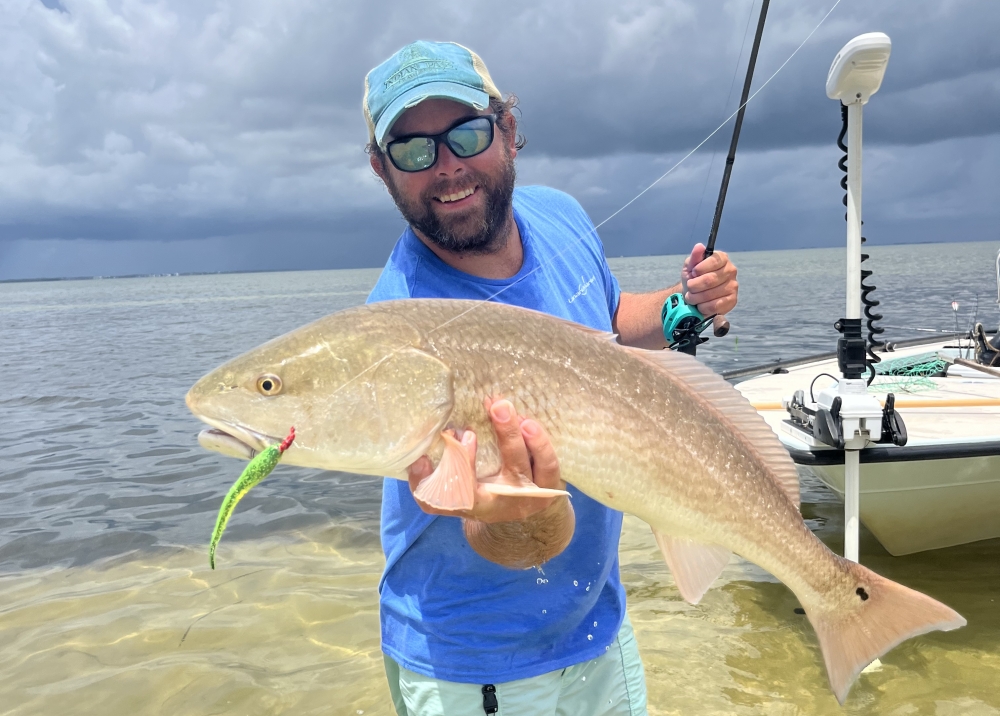
Catching redfish in the fall in shallow water  might be my clients favorite fishing. As the temperatures begin to drop and the fish start to get closer to shore, the opportunity to sight fish these prized game fish becomes more accessible. The shallow waters provide a unique challenge for anglers as they must quietly navigate the water and cast their lines in order to entice the redfish into eating.
Redfish tend to really chow down in the fall in preparation for the winter months. This means that they are more likely to be aggressive and willing to strike at a variety of baits. Anglers can use a variety of lures and live baits to target redfish in shallow water, including shrimp, mullet, and artificial lures such as spoons and soft plastics.

In addition to the excitement of the chase, catching redfish in shallow water also provides anglers with the opportunity to enjoy the natural beauty of the fall season. The changing colors of the leaves, the crispness of the air, and the calm waters all add to the overall experience of fishing for redfish in the fall. It is a peaceful and serene setting that allows anglers to connect with nature while pursuing their passion for fishing.

Another reason why catching redfish in shallow water in the fall is so popular is because it requires a certain level of skill and strategy. Anglers must be able to read the water and identify potential feeding areas where redfish are likely to be found. They must also be able to cast their lines accurately and present their lures in a way that entices the fish to strike. This level of challenge adds an element of excitement and satisfaction to the fishing experience. 

Overall, catching redfish in shallow water in the fall is a rewarding and exciting activity for many anglers. The opportunity to sight fish these prized game fish in their natural habitat, the challenge of navigating shallow waters, and the beauty of the fall season all combine to create a memorable and fulfilling fishing experience. Whether you are a seasoned angler or a beginner, fishing for redfish in the fall is an experience that is sure to leave a lasting impression.

Methods of Catching the Silver King

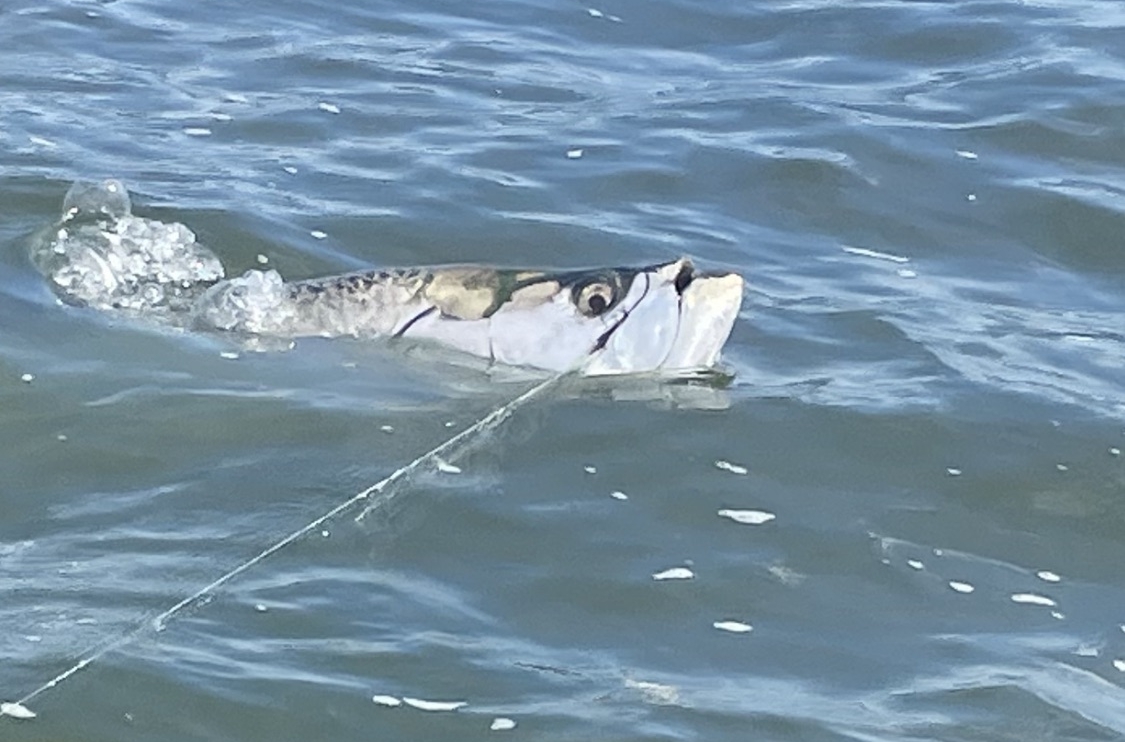
Tarpon fishing is a thrilling and challenging experience that attracts anglers from around the world. Known as the “Silver King” for their impressive size and strength, tarpon are a prized game fish that provide an unforgettable fishing adventure. There are three main methods for catching tarpon: fly fishing, using artificial lures, and live bait fishing. Each technique offers its own unique challenges and rewards, making tarpon fishing a versatile and exciting pursuit for anglers of all skill levels.

Fly fishing for tarpon is considered by many to be the ultimate challenge. Tarpon are known for their acrobatic jumps and powerful runs, making them a formidable opponent on the fly rod. Anglers must be skilled in casting and presentation to entice these wary fish to take the fly. Flies that imitate baitfish or crustaceans are commonly used, and anglers must be prepared for long battles with these powerful fish. Fly fishing for tarpon requires patience, skill, and a deep understanding of tarpon behavior, which makes it a rewarding and fulfilling pursuit for dedicated anglers.

Artificial lure fishing is another popular method for targeting tarpon. Anglers can use a variety of lures, such as swimbaits and soft plastics, to entice tarpon to strike. This method requires the angler to locate tarpon that are actively feeding. Covering a lot of water and experimenting with different retrieves is often necessary to trigger a strike. Lure fishing for tarpon can be fast-paced and exciting, with the potential for explosive strikes and heart-pounding battles.

Live bait fishing is a traditional and highly effective method for targeting tarpon. Anglers use live baits such as mullet, pogies, or crabs to tempt tarpon into biting. This method often involves fishing in deep, moving water and requires patience as anglers wait for a bite. Once a tarpon is hooked, it’s essential to be prepared for a strong fight. Live bait fishing can be a relaxing experience, but it offers big rewards, especially when trophy-sized fish are on the line.

In conclusion, tarpon fishing provides anglers with a variety of exciting and challenging opportunities to test their skills and experience the thrill of battling the “Silver King.” Whether fly fishing, using lures, or live bait, there’s a method to suit every angler’s preferences and abilities. With patience, skill, and a bit of luck, anglers can enjoy the adrenaline rush of hooking into a powerful tarpon and engaging in an unforgettable battle. So, grab your gear, head to the water, and prepare for an unforgettable tarpon fishing adventure.

Screenshot

Speckled Trout in Clean vs Dirty Water

Speckled trout fishing is a popular pastime for many anglers, offering a challenging yet rewarding experience. One key factor that can greatly impact the success of a speckled trout fishing trip is the clarity of the water. Both clean, clear water and murky, dirty water present unique challenges and opportunities when targeting these elusive fish.

In clean water, speckled trout tend to be more cautious and skittish, making them harder to catch. Their keen eyesight allows them to easily spot potential threats, including fishing lures, which may cause them to be more reluctant to strike. Anglers targeting speckled trout in clear water often need to employ more finesse and stealth. Lighter lines, smaller lures, and subtle presentations can be effective strategies to entice these wary fish.

On the other hand, dirty water can actually work in favor of anglers targeting speckled trout. Murky or stained water provides cover, making the fish feel more secure and less likely to be spooked by passing anglers. In these conditions, speckled trout may strike at a wider variety of lures, relying more on their sense of vibration and sound to locate prey. Dark-colored lures or baits with rattles can be particularly effective in such environments.

When fishing in clean water, anglers may need to focus on specific structures or cover where speckled trout are likely to be holding. Submerged grass beds, grass and sand edges, and channel drop-offs are good places to find these fish, as they provide ambush points for feeding. Paying attention to water temperature and current flow is also important, as these factors influence where speckled trout are likely to be found.

In contrast, dirty water allows anglers to cover more ground and explore new areas. Speckled trout may be more condensed in these conditions, so it’s important to look for clues like the edges of oyster reefs or current seams to locate actively feeding fish. Slicks on the water surface can also indicate where speckled trout are congregating to feed. Additionally, trout in stained fisheries tend to be larger and heavier.

Ultimately, whether fishing in clean or dirty water, adapting your tactics to the specific conditions is key to success. Understanding how water clarity impacts the behavior of speckled trout and adjusting your approach accordingly will increase your chances of landing that prized fish on your next adventure.